
Europe is not one market with twenty seven flags on it. It is a set of national calendars sharing a few continental moments, and the brands that struggle here are usually the ones running a single translated campaign across all of it. This guide walks the European year for 2027: what is genuinely EU wide, what is national but enormous, and where the traps are. The date by date version lives on our 2027 Europe marketing calendar page.
The genuinely continental moments
A handful of dates truly cross borders. Valentine’s Day (February 14, a Sunday in 2027) runs everywhere with local flavours. Easter (Sunday March 28, with Good Friday and Easter Monday holidays in many but not all countries) anchors spring. Labour Day on May 1 is a public holiday across almost the whole continent. Black Friday (November 26) and Cyber Monday (November 29) have become fully pan-European, usually stretched into a Black Week. Singles Day (November 11) grows yearly through the marketplaces. Prime Day (expected mid July, not confirmed) and Prime Big Deal Days (expected early October) pull counter-programming across Amazon’s European stores. Christmas markets and Advent carry December in the German speaking world and far beyond.
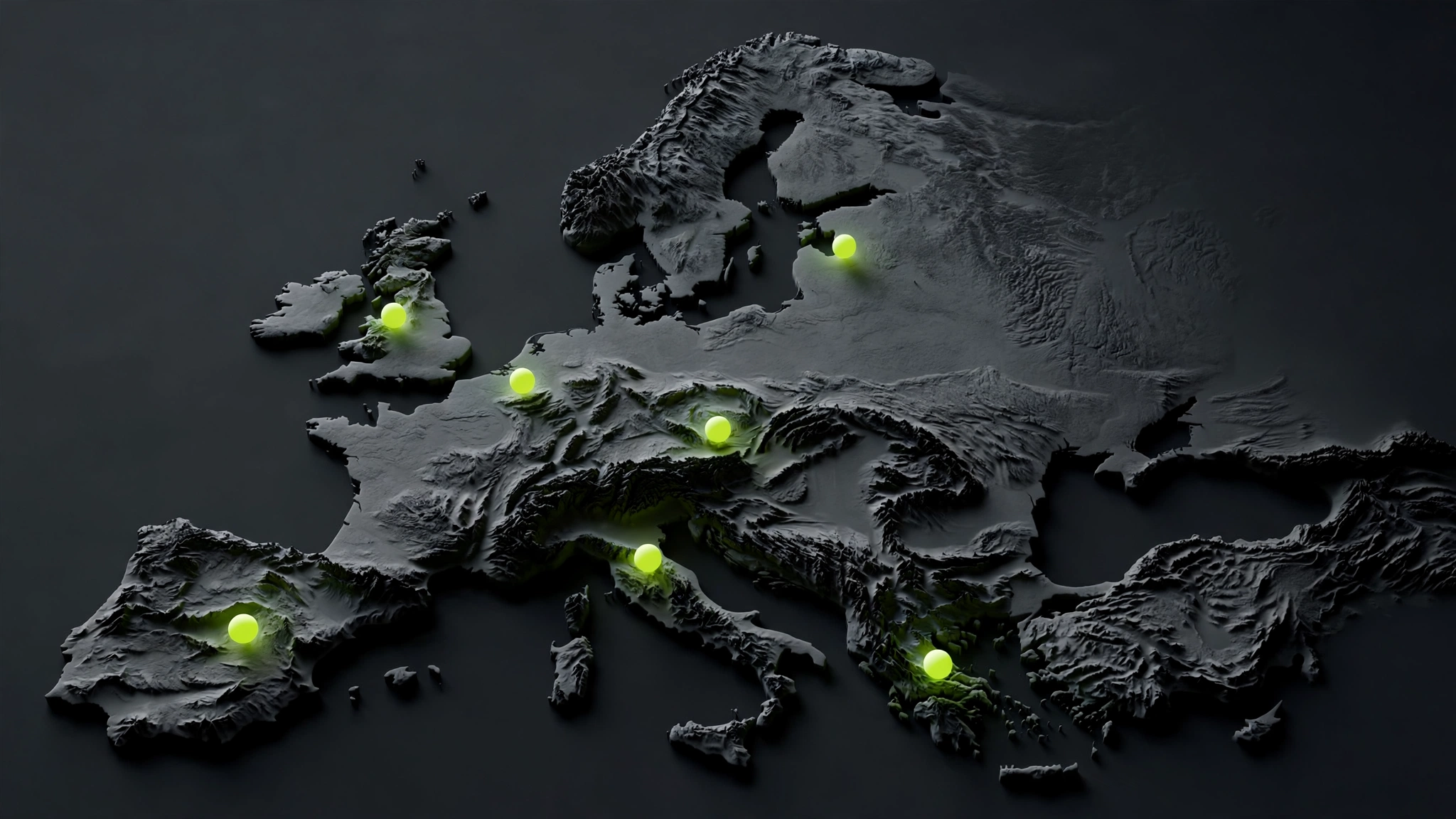
The national giants
Inside their borders, national dates often outsell the continental ones. Spain’s gift giving peak is not Christmas but Epiphany (January 6), with the Reyes Magos season running into the first week of January and the rebajas sales following. The Netherlands stops for King’s Day on April 27, a national festival of street markets and orange. France lives by its May bridges, when Labour Day, Victory Day and Ascension (May 6 in 2027) stretch into long weekends, and by la rentrée in early September, when the whole country restarts at once. Sweden’s biggest celebration is Midsummer in late June. Italy effectively closes for Ferragosto on August 15 and the weeks around it. Germany’s Oktoberfest opens in mid September, and St Nicholas (December 5 and 6) beats Christmas as the children’s gift moment in the Netherlands, Belgium and Germany.
The traps
Mother’s Day is not one date. Spain marks the first Sunday in May (May 2 in 2027), much of Europe the second Sunday (May 9), and France the last Sunday (May 30). A pan-European Mother’s Day campaign is a contradiction; there are three campaigns wearing one name.
Sales are regulated. France’s soldes and Spain’s rebajas have officially set windows (winter seasons typically open in early January, summer seasons from late June in France), and dates vary by region. A sale launched outside the window in the wrong country is not bold, it is non-compliant.
August is a pause, not a dip. Much of southern and western Europe slows or shuts in August. B2B campaigns and support rotas planned without that fact fail quietly every year.
Religious dates need care. Ramadan is expected to begin around February 8 or 9 in 2027 (subject to moon sighting), with Eid al-Fitr expected March 9 or 10 and Eid al-Adha in mid May. Europe’s Muslim communities are a large audience, and the dates shift by country and community. All Saints Day (November 1) is a solemn public holiday in many countries, not a sales hook.

Quick check: is your Europe 2027 localised?
Answer 3 quick questions and get an instant score.
How is your European calendar built?
How many Mother’s Day campaigns run?
How do you time your sales?
How to plan Europe properly
- Build a master calendar, then localise it. Continental moments get shared creative; national giants get their own campaigns with local teams or partners reviewing them.
- Confirm holidays per country, every year. Regional holidays (German states, Spanish autonomous communities) move real volume and are easy to miss from headquarters.
- Phase by market, not by translation deadline. Back to school, sales windows and summer peaks all land weeks apart across the continent.
- Let delivery promises be local. A Black Week offer is only as good as the per country shipping promise underneath it.
The month by month detail is on the Europe calendar page. If Europe is your growth plan for 2027, talk to us about building the localised version properly.
Frequently asked questions
Which marketing dates are genuinely pan-European in 2027?
Only a handful of dates truly cross borders. Valentine’s Day on February 14 and Easter on March 28 run everywhere, Labour Day on May 1 is a public holiday across almost the whole continent, and Black Friday on November 26 with Cyber Monday on November 29 have become fully pan-European. Singles Day on November 11 also grows yearly through the marketplaces.
Why is there no single European Mother’s Day date in 2027?
Mother’s Day is three campaigns wearing one name. Spain marks it on the first Sunday in May, which is May 2 in 2027, much of Europe marks it on the second Sunday, May 9, and France marks it on the last Sunday, May 30. A single pan-European Mother’s Day campaign built around one of those dates will simply be wrong in the other markets.
Which national dates can outsell the continental ones in Europe?
Inside their borders, national dates often outsell the continental moments. Spain’s gift giving peak is Epiphany on January 6 rather than Christmas, the Netherlands stops for King’s Day on April 27, Sweden’s biggest celebration is Midsummer in late June, Italy effectively closes for Ferragosto on August 15, and St Nicholas on December 5 and 6 beats Christmas as the children’s gift moment in the Netherlands, Belgium and Germany.
Are sales seasons regulated in Europe?
Yes, and launching outside the rules is a compliance problem rather than a bold move. France’s soldes and Spain’s rebajas have officially set windows: winter seasons typically open in early January, and summer seasons run from late June in France. The exact dates also vary by region, so a sale that is legal in one country or region can be non-compliant in the next.
How should brands plan a European marketing calendar for 2027?
Build a master calendar, then localise it. Continental moments get shared creative, while national giants get their own campaigns reviewed by local teams or partners. Holidays should be confirmed per country every year, campaigns phased by market rather than by translation deadline, and delivery promises kept local, because a Black Week offer is only as good as the per country shipping promise underneath it.